AGILENT TECHNOLOGIES

My Role
Lead UX Designer
Led end-to-end design process
Managed vendor team, ensuring design consistency
Collaborated across product, engineering,
and business
My Impact
Achieved a 95% customer intent-to-use rate in testing.
Turned a manual sales-only process into a digital experience
Designed Agilent’s first online instrument configurator.
Team
Project manager
Product owner
Sales representative
Engineering team
Content manager
UI/UX designer from Wyoming Interactive
PROBLEM
Lack of online customization and transparent pricing makes complex instrument buying process slow and confusing for customers.
back-and-forth interactions with sales reps are typically needed to purchase a chromatography instrument.


SOLUTION
An intuitive online configurator with educational content, real-time pricing, and comprehensive options that is integrated with sales rep's system for expert final assistance.

DISCOVERY
Current buying process is slow, unclear, and too dependent on sales reps.
To understand issues of the existed process, we explored how customers navigated the purchasing process:
Observed sales teams to identify where configuration discussions became repetitive or unclear
Analyzed existing tools and workflows to pinpoint gaps in accessing information.
Visited showrooms to understand how instruments were configured and the key decisions customers faced.
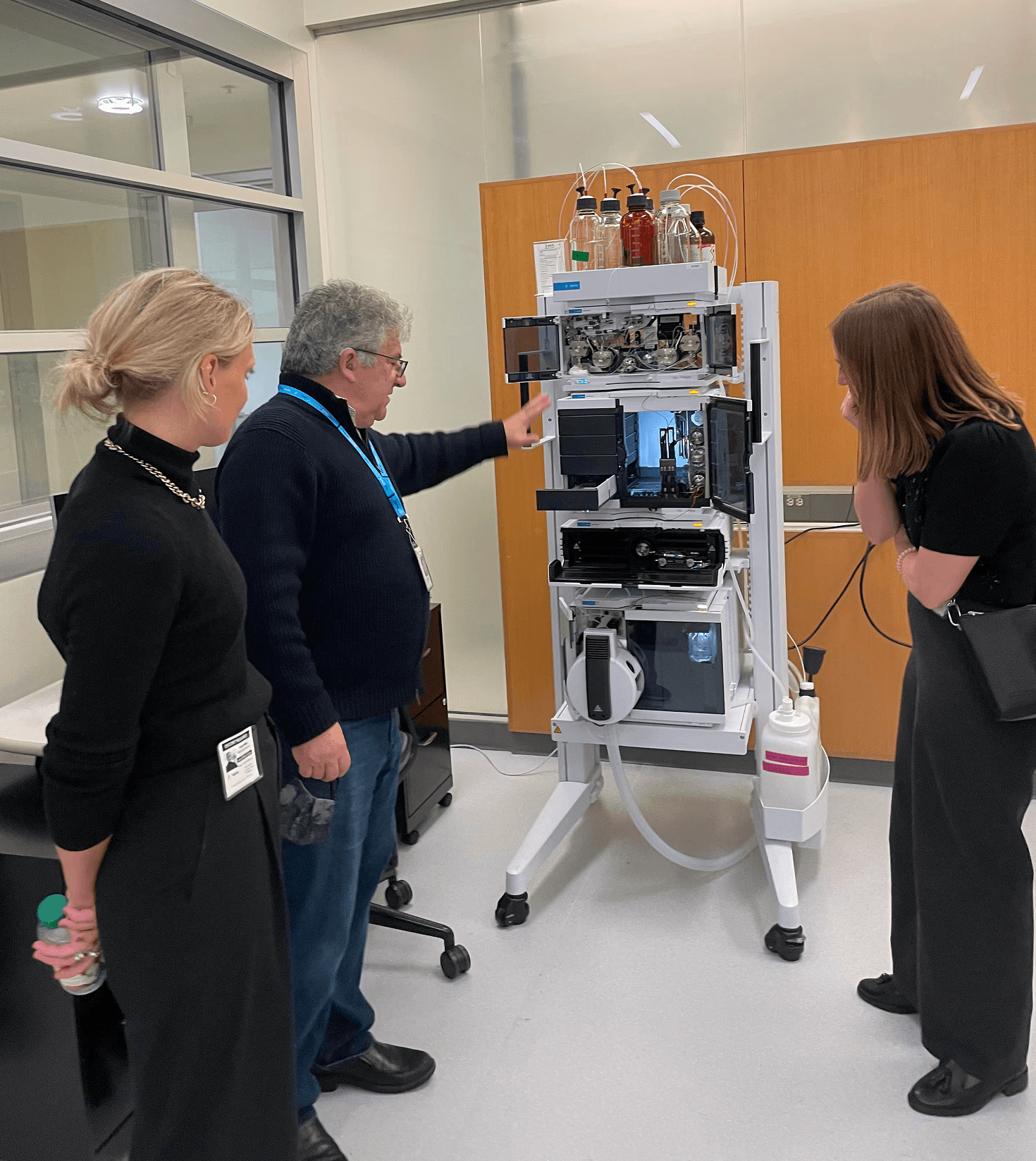
Configuring instruments and buying them involves lengthy back-and-forth communication with sales.
Hidden costs complicate budgeting.
Without clear product information, comparing options becomes overwhelming.
oPPORTUNITIES
For customer
For business
RESEARCH 01 — USER INTERVIEW
Users want control in configuration and pricing but need sales support to finalize the purchase.
USER FLOW
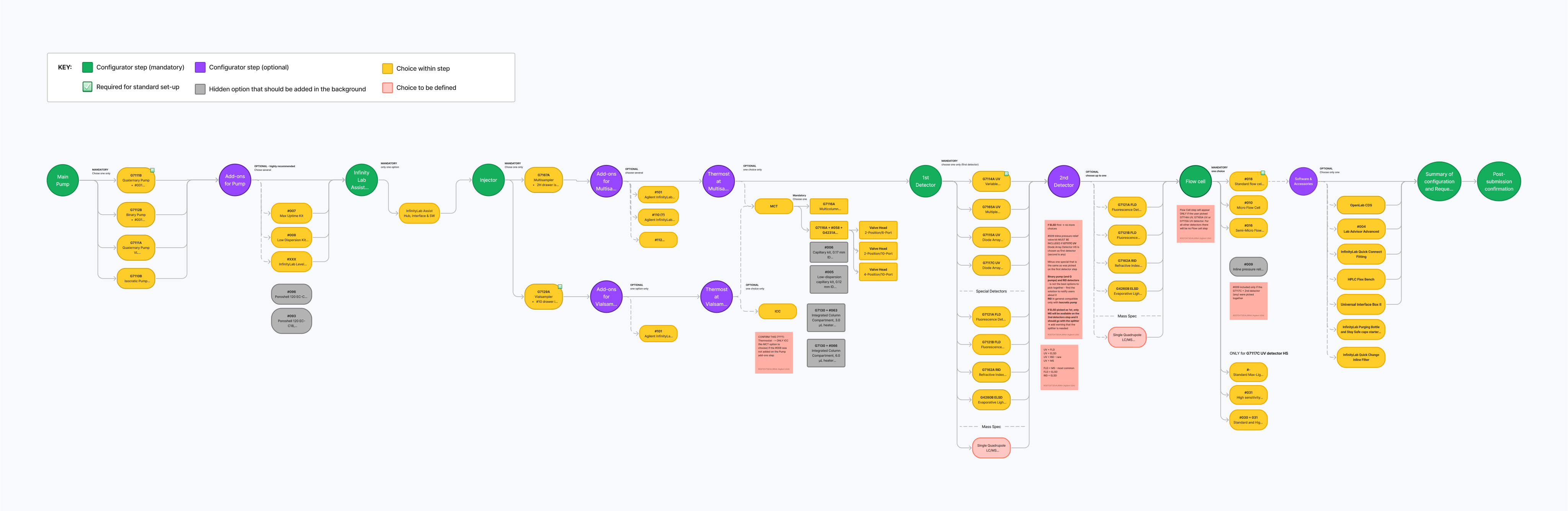
1000+ option combinations simplified into 10 clear steps through collaboration and prioritization.
To proceed with the further research and usability testing we need to identify which options should be included into the configuration, their dependencies, and the most common combinations.
I facilitated workshops with business stakeholders, sales representatives, and product owners. Together, we prioritized and refined key configurations, reducing complexity and streamlining the user flow.


RESEARCH 02 — USABILITY TESTING
Clear pricing, structured guidance, and educational content are essential for a smooth configuration experience.
In Phase 2, we explored how effectively the configurator fit into the purchasing workflow through four interactive prototypes with different design approaches. We evaluated how easily users could configure instruments, how they interacted with content, and how clearly they understood pricing information.
Findings showed that users appreciated the configurator’s guided flow and educational content, and expected transparent, easily accessible pricing throughout the process.
Two interaction models were tested to understand user preference.
Scroller: Moving up/down to view content without obstruction
Stepper: Using next/previous buttons to navigate through the interface
SPEED
How quickly could you achieve your goal?
EASE OF USE
How easily could you complete the task?
CONTENT
How well did the content support your objective?
DESIGN
How well did the design support your objective?
Goals
Enable users to configure GC and LC instruments in less than 10 steps.
- Allow users to compare multiple instrument components side by side.
- Enable users to save and share configurations.
- Incorporate educational content to guide users through the configuration process.
- Enable users to request a quote directly from the configurator.
- Design a flexible, reusable template adaptable across various systems with minimal effort and quick turnaround time.

SOLUTION
An intuitive, self-guided experience that lets customers configure, compare, and price complex instruments online.
Simplified configuration process

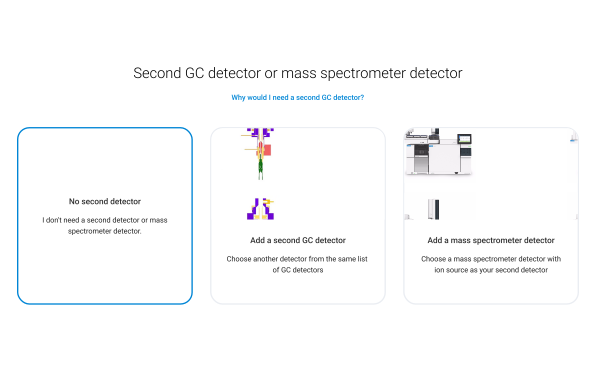
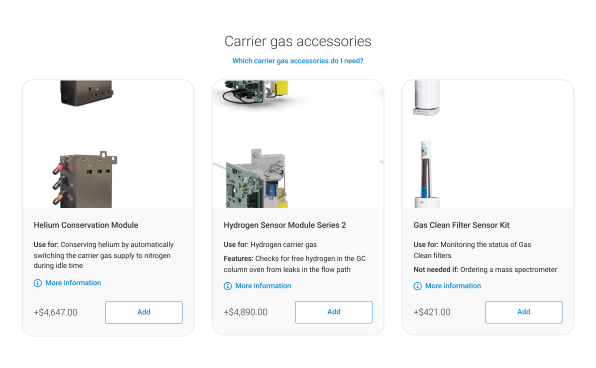
A clear 10-step process guiding users through the 8890 Gas Chromatography System setup while minimizing complexity and reducing cognitive load.
Comparison feature
Enables users to compare configurations side by side, highlighting key specs and prices for faster, more confident decisions.

Educational content
Integrated educational resources, including detailed product specifications, application notes, and instructional videos, provide users with the knowledge they need to make confident decisions. Contextual help is available at each step of the configuration process, ensuring users have access to the information they need.


Configuration summary

Saved configurations and sharing.
Configurations can be saved for later and shared to keep all stakeholders on the same page
Seamless sales Integration.
Self-service with built-in quote requests ensures a smooth transition to expert sales support when needed.
Transparent Pricing.
Dynamic cost updates ensure clarity and transparency, helping users make informed budget decisions.
RESULTS
100% of participants stated they would use the configurator if available.
8.8/10 average user rating for likelihood of using the tool in a future purchase.
The configurator gained strong user adoption, making it easier to make confident decisions. It enhances sales communication with clear product details and offers a faster, more interactive way to explore products compared to traditional methods.
Customer feedback
LEARNING AND CHALLENGES
The key challenge was to find a balance between flexibility and simplicity, ensuring an intuitive experience while prioritizing essential information.
Balancing flexibility with simplicity
One of our biggest challenges was to design a configurator that could accommodate complex product variations while remaining easy to use. We wanted to give users enough options to truly personalize their instrument without making it feel like too much to handle. By breaking the configuration process down into clear, logical steps, we saw a real boost in how well users understood and completed their tasks.
Content clarity and user guidance
Our users are incredibly knowledgeable, but we realized that throwing all the specifications at them at once could lead to confusion. The challenge was to focus on the most important details, ensuring users received the information they needed without feeling overwhelmed.
Aligning with sales and business goals
While the primary goal was enhancing user experience, the configurator also had to support lead generation and sales conversions. We had to work closely with stakeholders to ensure the tool met both user needs and business objectives.